
Mold Timeline After Water Damage: The 24-48 Hour Window
WATER DAMAGE • MOLD PREVENTION
Mold Timeline After Water Damage: The 24–48 Hour Window
The single most common question we get after we’ve extracted the water: ‘am I going to get mold now?’ Here’s the honest, unhurried answer.
The Short Answer: 24 to 48 Hours
Under conditions favorable to growth — warm, humid, dark — mold can begin developing within 24 to 48 hours of water exposure on porous materials like drywall, carpet padding, and wood. That’s not a scare number; it’s the standard window the restoration industry works around, and it’s exactly why we don’t wait to see if a spill dries out on its own.
It’s also not a guarantee — plenty of water damage gets extracted and dried well inside that window and never turns into a mold problem at all. The point of knowing the timeline isn’t to panic, it’s to know what you’re actually racing against.
What Actually Happens, Hour by Hour
0–2 HOURS
Water spreads and absorbs
Water wicks into carpet, baseboards, and drywall through capillary action. Nothing visible has changed yet, but the clock has started.
2–24 HOURS
Materials swell, drywall weakens
Wood begins to swell, drywall loses structural integrity, and metal surfaces may start to tarnish. This is still well within a normal, manageable window.
24–48 HOURS
Mold growth becomes possible
Under warm, humid, low-light conditions — exactly what a closed-up room with standing water provides — mold can begin colonizing porous surfaces. This is the window that matters most.
48 HOURS – 1 WEEK
Odors develop, materials degrade further
If untreated, musty odors set in, materials continue breaking down, and what started as a water problem becomes a materials-replacement problem.
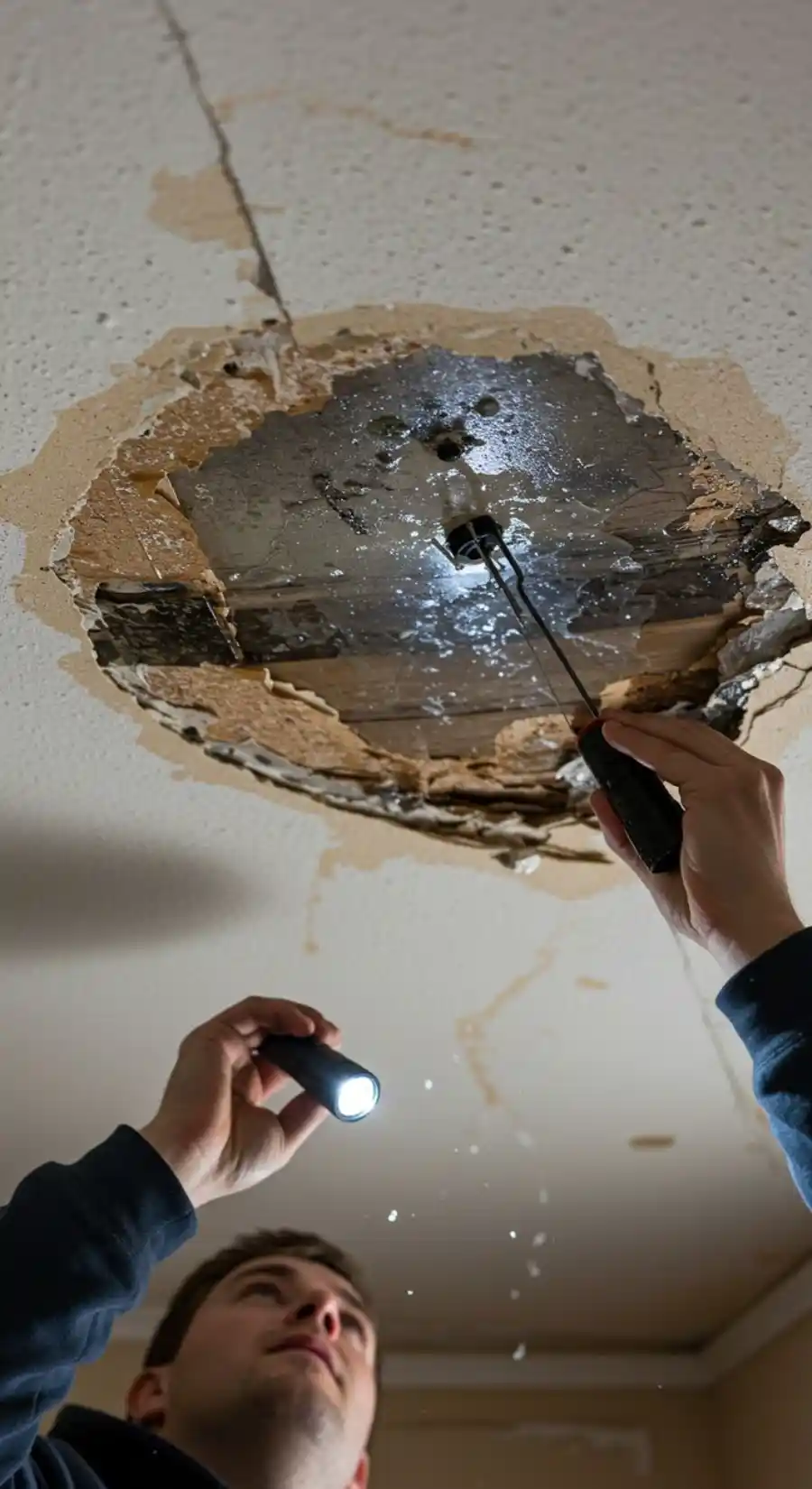
This is what the 24-48 hour window looks like when it’s ignored.
Q: Does Goodyear’s dry heat make mold less of a risk than other places?
It helps, but it doesn’t eliminate the risk. The danger window happens inside a closed, humid room with standing water — our low outdoor humidity doesn’t do much for a wet, closed-up bathroom or garage. Indoor conditions are what matter, not the desert outside.
What Actually Prevents Mold (It’s Not Bleach)
The single biggest factor is time-to-dry, not the cleaning product used afterward. Extraction within hours, followed by monitored structural drying with air movers and dehumidifiers until moisture readings confirm materials are back to normal — that’s what keeps a water event from becoming a mold event.
Q: If it’s already been more than 48 hours, is it too late?
Not necessarily — but it does change the job. We’ll inspect for visible or suspected growth and, if needed, bring in mold-specific remediation rather than just standard drying. The sooner you call at that point, the smaller the scope stays.
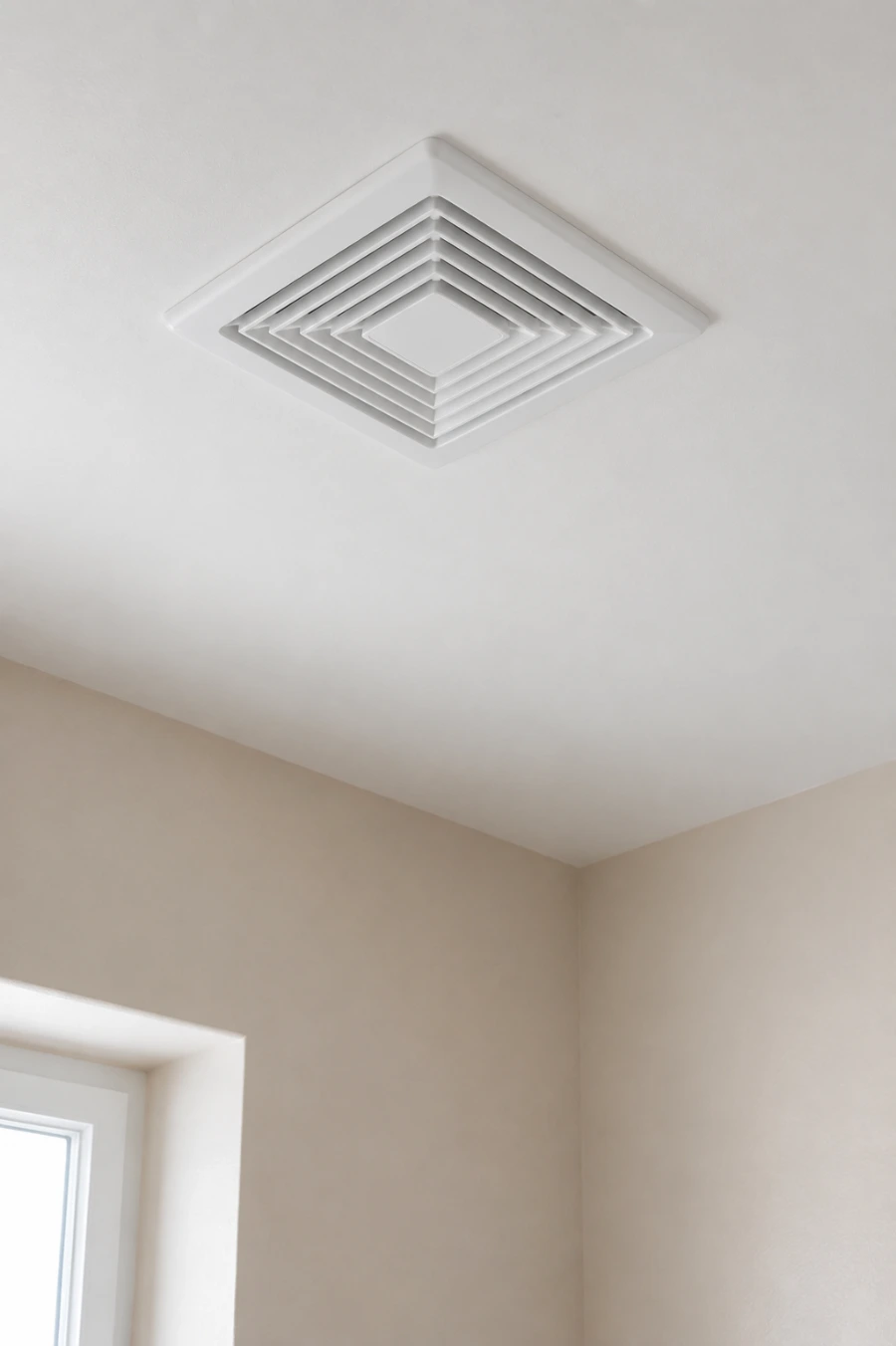
Full structural drying — this is what staying inside the 24-48 hour window looks like.
Water damage that just happened? You’re still inside the window that matters most.
Frequently Asked Questions
Explore More Water Extraction Resources
Still Inside the Window? Call Now
Call our 24/7 Goodyear line — the faster we get there, the smaller this problem stays.